

OM Dental

Jubilee Hills

Mon- Sat - 10AM to 8PM │Sun- 10AM to 7PM

Laser & Gum Therapy

Laser Gum Treatment in Kokapet

Laser Gum Treatment in Kokapet: Can It Help Treat Gum Infection and Bleeding?

Healthy gums are an important part of maintaining strong teeth and good oral health. However, problems such as gum infection, swelling, redness, tenderness, and bleeding can develop when plaque and bacteria accumulate around the teeth and gumline. If these symptoms are ignored, gum disease may gradually affect the tissues that support the teeth. If you are experiencing persistent gum bleeding or signs of infection, Laser Gum Treatment in Kokapet can be one of the modern treatment options your dentist may consider depending on your condition. Laser-assisted gum therapy uses focused dental laser technology to target affected gum tissue and reduce bacteria around the treatment area. It may be used as part of periodontal care for selected patients after a detailed examination of the teeth and gums. Understanding Gum Infection and Bleeding Gum bleeding is often one of the early signs that your gums need attention. It can occur due to plaque buildup, tartar, poor oral hygiene, gum inflammation, or periodontal disease. Some common symptoms associated with gum problems include: Occasional bleeding may have a simple cause, but frequent or persistent bleeding should be evaluated by a dentist. Identifying the underlying cause early can help prevent the condition from becoming more advanced. How Laser Gum Treatment Can Help? Laser gum treatment is a modern approach that may be used for managing certain periodontal conditions. During the procedure, a dental laser is carefully directed toward areas affected by infection or unhealthy gum tissue. The laser may help target diseased tissue and reduce bacterial contamination around the affected area. Depending on the patient’s gum condition, the treatment may be performed along with professional cleaning or other periodontal procedures. For patients searching for gum infection treatment in Kokapet, a dental consultation is important before choosing laser therapy. Not every case of gum infection requires laser treatment, and the appropriate procedure depends on the severity and cause of the condition. Common Causes of Gum Infection Several factors can contribute to gum infection and inflammation. Plaque and Tartar Buildup Plaque is a sticky layer of bacteria that forms on teeth. If it is not removed properly, it can harden into tartar. Tartar can irritate the gums and contribute to inflammation. Poor Oral Hygiene Infrequent brushing, improper flossing, or inadequate cleaning between teeth can allow bacteria to accumulate around the gumline. Smoking and Tobacco Use Tobacco can negatively affect gum health and may increase the risk of periodontal problems. Existing Gum Disease Patients who already have gingivitis or periodontal disease may experience recurring gum inflammation, bleeding, and other symptoms. Certain Health and Lifestyle Factors Some health conditions, medications, stress, and lifestyle habits may also influence gum health. A dentist can assess the individual factors contributing to the problem. Benefits of Laser-Assisted Gum Treatment Laser technology can provide dentists with an additional treatment option for selected gum conditions. Precise Treatment The laser can be directed toward specific areas requiring treatment, allowing the dentist to work carefully around the affected gum tissue. Helps Reduce Bacteria Laser therapy may help reduce bacteria in the treated area, which can support periodontal infection management. Less Invasive Approach For suitable cases, laser-assisted procedures may involve less tissue disruption compared with certain traditional surgical approaches. Supports Gum Healing By treating infected or unhealthy areas and controlling bacterial contamination, laser therapy may help create a healthier environment for gum recovery. Comfortable Dental Care Many patients prefer modern dental techniques because treatment can be more targeted and comfortable in suitable cases. The benefits and expected results vary depending on the patient’s gum condition, periodontal health, and treatment requirements. Can Laser Treatment Help Stop Bleeding Gums? Laser gum treatment may help reduce bleeding when the bleeding is associated with infected or inflamed gum tissue. However, stopping bleeding permanently requires addressing the underlying cause. For example, mild gum inflammation may improve after professional cleaning and improved oral hygiene. More advanced periodontal problems may require deeper periodontal treatment. This is why patients should not rely only on laser treatment without understanding the reason behind their gum bleeding. A dental examination can help determine whether the problem is caused by plaque, tartar, gingivitis, periodontal disease, or another dental condition. What Happens During Laser Gum Treatment? The treatment process can vary depending on the patient’s condition. Initial Dental Examination The dentist first examines the teeth and gums to identify signs of infection, inflammation, gum recession, or periodontal pockets. Treatment Planning Based on the examination, the dentist determines whether laser gum therapy is appropriate. In some cases, professional cleaning or other periodontal procedures may be recommended. Laser Treatment The dental laser is carefully applied to the affected gum areas. The procedure is planned according to the location and severity of the infection. Post-Treatment Care After treatment, the dentist provides instructions regarding oral hygiene, brushing, eating habits, and follow-up visits. Following these recommendations is important for maintaining healthy gums and supporting recovery. Laser Gum Treatment vs. Traditional Gum Treatment Traditional periodontal treatments such as scaling and root planing remain important methods for controlling gum disease. These procedures help remove plaque and tartar from the teeth and areas below the gumline. Laser therapy may be used as an additional treatment option in selected cases. It does not automatically replace conventional periodontal treatment. The most appropriate treatment depends on factors such as: A dentist can recommend the right combination of treatments after evaluating your gums. Importance of Scaling and Polishing for Gum Health Professional Scaling and Polishing can play an important role in maintaining healthy gums. Regular brushing cannot always remove hardened tartar from difficult-to-reach areas. Scaling helps remove plaque and tartar deposits, while polishing can help clean surface stains and leave the teeth feeling cleaner. For patients with early gum inflammation, professional cleaning combined with improved daily oral hygiene may help manage the condition. Patients with more advanced gum disease may require additional periodontal treatment. Who May Need Laser Gum Treatment? Laser gum therapy may be considered for patients with certain periodontal conditions, including: However, laser treatment is not necessary for every patient.

Laser Gum Treatment in Kokapet: Can It Help Treat Gum Infection and Bleeding? Read More »
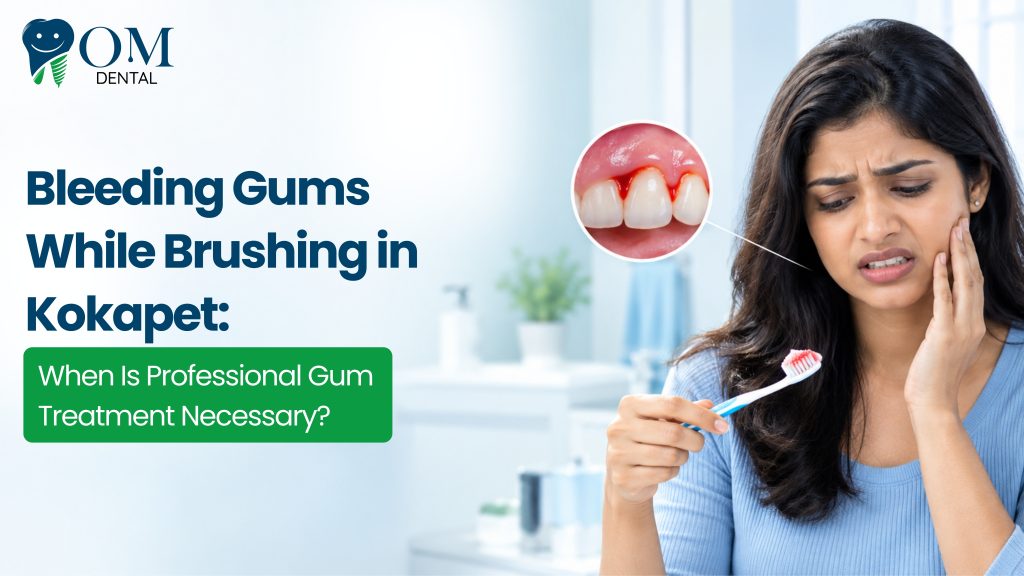
Bleeding Gums While Brushing in Kokapet

Bleeding Gums While Brushing in Kokapet: When Is Professional Gum Treatment Necessary?

Noticing blood while brushing your teeth can be worrying, especially when it happens regularly. While occasional bleeding may sometimes be related to brushing technique or minor gum irritation, frequent bleeding can be a sign of gum inflammation or an underlying periodontal problem. For people experiencing persistent bleeding gums, professional evaluation can help identify whether the problem can be managed with improved oral hygiene and cleaning or whether more advanced gum treatment in Kokapet may be required. Healthy gums generally should not bleed during routine brushing or flossing. If you regularly notice blood around your gums, it is important to understand the possible cause and seek professional dental advice when necessary. Why Do Gums Bleed While Brushing? Bleeding gums can occur for several reasons. One of the most common causes is plaque buildup around the teeth and gumline. Plaque contains bacteria that can irritate the gums and cause inflammation. Other possible causes include: If bleeding occurs repeatedly, it is better not to ignore it. A dentist can examine your gums and determine the actual cause. When Should Bleeding Gums Be Taken Seriously? Occasional mild bleeding may not always indicate a serious problem. However, frequent bleeding, especially when accompanied by other symptoms, deserves professional attention. You should consider visiting a dentist if you notice: These symptoms may indicate that gum inflammation has progressed beyond simple irritation. Common Gum Problems That Can Cause Bleeding: Gingivitis Gingivitis is an early stage of gum inflammation that commonly develops because of plaque buildup. The gums may become red, swollen, and more likely to bleed while brushing or flossing. At this stage, professional cleaning and improved daily oral hygiene can often help control the condition. Periodontitis If gum inflammation is not treated, it can progress into periodontal disease. Periodontitis can affect the tissues and bone supporting the teeth. Patients may experience deeper gum pockets, persistent bleeding, gum recession, bad breath, and eventually loose teeth. More advanced conditions may require comprehensive periodontal treatment rather than simple cleaning. Tartar Buildup Plaque that remains on the teeth can harden into tartar. Unlike soft plaque, tartar cannot be completely removed through normal brushing. Professional dental cleaning may be necessary to remove these deposits and help reduce gum irritation. How Professional Gum Treatment Can Help? Professional gum treatment begins with identifying the underlying reason for bleeding. Your dentist may examine your teeth and gums and assess areas where plaque, tartar, inflammation, or periodontal pockets are present. Depending on the condition, treatment may include professional scaling and polishing, deep cleaning, periodontal therapy, or other procedures. For patients searching for gum treatment in Kokapet, the most suitable treatment should be selected after a dental examination rather than based only on the presence of bleeding. The Role of Scaling and Polishing: Professional Scaling and Polishing can be an important part of maintaining healthy gums. Scaling helps remove plaque and hardened tartar from the teeth and areas around the gumline. Polishing helps clean the tooth surfaces and remove certain surface stains. For patients with mild gum inflammation, professional cleaning combined with proper home care may significantly improve gum health. However, patients with deeper periodontal infection may require additional treatment. When Is Deep Gum Treatment Necessary? If infection has progressed below the gumline or periodontal pockets have developed, routine cleaning may not be enough. A dentist may recommend deeper periodontal treatment when there is: The treatment plan depends on the severity of the condition and the overall health of the teeth and gums. Can Laser Gum Treatment Help With Bleeding? Modern dental technology provides additional treatment options for selected gum conditions. Laser gum treatment in Kokapet may be considered in certain cases involving infected or inflamed gum tissue. Dental lasers can be used to target affected areas and reduce bacterial contamination as part of periodontal treatment. Laser treatment is not necessary for every patient with bleeding gums. Mild gingivitis, for example, may respond well to professional cleaning and improved oral hygiene. A dentist can determine whether laser-assisted treatment is appropriate after evaluating the gums and periodontal condition. What Happens During a Professional Gum Examination? A dental gum examination generally begins with a visual assessment of the gums and teeth. The dentist looks for redness, swelling, bleeding, gum recession, tartar, and other signs of periodontal problems. The dentist may also assess the depth of spaces around the gums to understand whether periodontal pockets are present. Depending on the symptoms and clinical findings, dental X-rays may sometimes be recommended to evaluate the supporting bone. Once the condition has been assessed, the dentist can explain the available treatment options and recommend an appropriate plan. How to Prevent Bleeding Gums at Home? Professional treatment is important when gum disease is present, but daily oral care also plays a major role in maintaining healthy gums. Brush Twice a Day Use a soft-bristled toothbrush and brush gently for approximately two minutes. Avoid aggressive brushing, which can irritate the gum tissue. Clean Between Your Teeth Plaque can remain between teeth even after brushing. Floss or use an appropriate interdental cleaning aid to clean these areas. Maintain Regular Dental Visits Routine dental examinations can help identify gum problems before they become advanced. Avoid Tobacco Smoking and tobacco use can negatively affect gum health and may increase the risk of periodontal disease. Limit Frequent Sugary Foods Reducing frequent sugary snacks and maintaining a balanced diet can support better oral health. Why Early Gum Treatment Matters? Ignoring bleeding gums may allow an underlying gum problem to progress. Early-stage gum inflammation can often be easier to manage than advanced periodontal disease. As gum disease progresses, it may affect the tissues and bone that support the teeth. In severe cases, this can contribute to tooth mobility and tooth loss. Seeking professional advice when bleeding becomes frequent can help identify the problem early and prevent unnecessary complications. When Should You Visit a Dentist in Kokapet? If your gums bleed occasionally and the problem improves after correcting your brushing technique, you may simply need to monitor your oral hygiene. However,

Bleeding Gums While Brushing in Kokapet: When Is Professional Gum Treatment Necessary? Read More »

Scroll to Top